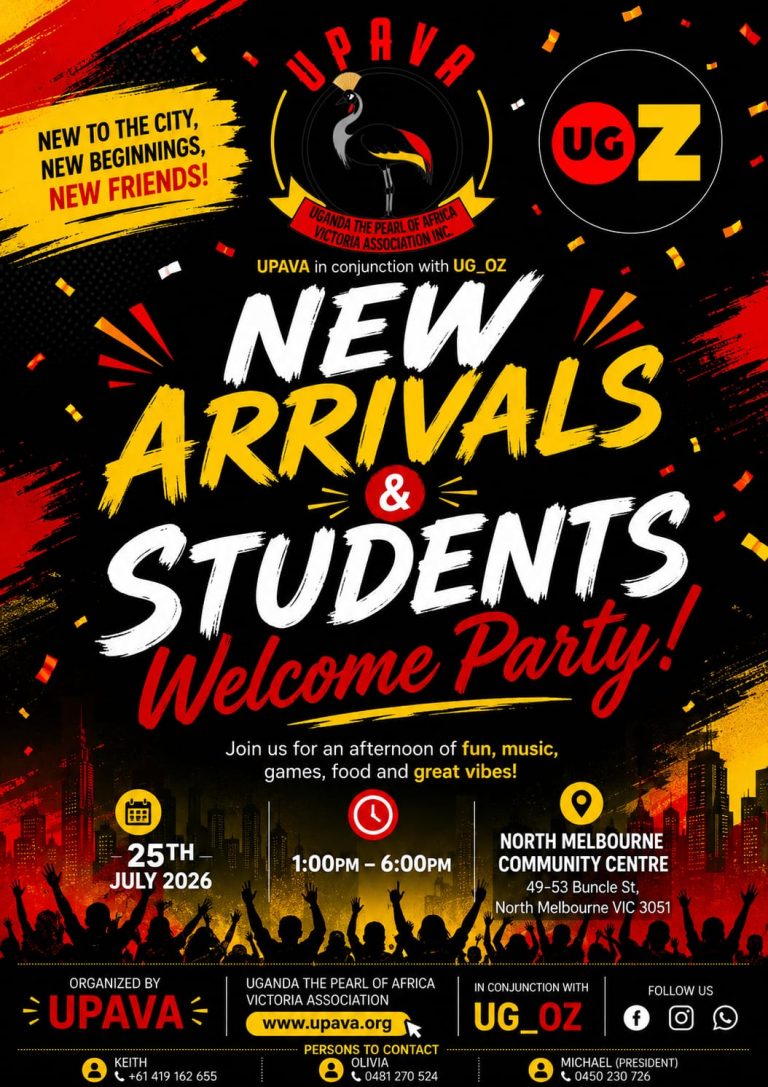


Students information
Welcome to Victoria! Moving to a new place can feel like a lot to take in all at once, but this guide will map out exactly what you need to know to hit the ground running.
- Home
- Students corner
Racism
Learn about our mission to eliminate racism.
Health
Discover the information about health in Victoria.
Business
Lorem ipsum dolor sit amet, consectetur adipiscing elit, sed do eiusmod tempor incididunt ut.
Lorem ipsum dolor sit amet, consectetur adipiscing elit, sed do eiusmod tempor incididunt ut labore et dolore magna aliqua.
Lorem ipsum dolor sit amet, consectetur adipiscing elit, sed do eiusmod tempor incididunt ut labore et dolore magna aliqua.
Lorem ipsum dolor sit amet, consectetur adipiscing elit, sed do eiusmod tempor incididunt ut labore et dolore magna aliqua.
Melbourne is consistently ranked as one of the world’s best student cities, due to its friendly, multicultural people, incredible transport and delicious food. While the cost of living in Australia can be high, there are lots of affordable options for budget-conscious students.
Budgeting is all about knowing where to shop and what to expect. On average, a student in Victoria should plan for $450 to $750 per week to cover rent, food, transport, and personal expenses dependent on lifestyle.
You may use the cost-of-living calculator for a better estimate: https://costofliving.studyaustralia.gov.au/
Groceries
The average weekly grocery bill for a single student is roughly $80 to $150.
- Aldi: The undisputed champion for budget shopping. Go here first for your weekly staples.
- Woolworths ("Woolies") & Coles: The two major supermarket chains. They are slightly more expensive than Aldi, but they have massive variety and rotating weekly discounts. Download their apps to track offers.
- IGA: Independently owned smaller supermarkets. Great for convenience or finding local items, but usually pricier for a full grocery haul.
- Asian grocery stores: These are often cheaper and you can find some products you are accustomed to from home as they have tonnes of imported products and goods.
- Local markets: Popular options include Queen Victoria Market and farmers’ markets that connect local producers directly to community members.
Rent & Accommodation
Rent is your biggest weekly expense.
Private Rental: You can lease your own apartment or save money by renting a room in a share house. With a share House (Private room), expect $180 to $350 per week depending on the suburb. Sharing a house with flatmates is the most popular way to keep costs down though you may have to share spaces like living rooms, bathrooms and kitchen. Renting an apartment/house would be pricier but this depends on location, however it is a great choice for those who love their own space.
Student Accommodation / University Halls: $300 to $500+ per week. Usually includes all your utilities (electricity, water, internet) and comes fully furnished.
Note: Moving into a private rental usually requires paying a Bond (security deposit) equivalent to one month's rent upfront.
Bills (Utilities)
If your utilities aren't included in your rent, budget $30 to $50 per week for your share of electricity, gas, and water. Internet usually costs about $60 to $80 per month total, which you'll split with your housemates.
Shopping
For affordable clothes, kitchenware, and bedding, skip the high-end malls and head straight to Kmart, Big W, or Target. For second-hand furniture and textbook bargains, check out Facebook Marketplace or local charity shops (known as "Op Shops" like the Salvation Army or Sacred Heart Mission). Also look out for deals throughout the year like EOFY sales.
Your student card has a lot of benefits and most times you can get discounts. Make sure to checkout student discount sites like UniDays (https://www.myunidays.com/AU/en-AU)
Melbourne is famous for experiencing "four seasons in one day." Always carry an umbrella and a light jacket, even if it looks sunny outside!
| Season | Months | Average Temperatures | What to Expect |
| Summer | December – February | 14°C to 27°C (can spike past 40°C) | Hot, dry days mixed with sudden cool changes. |
| Autumn | March – May | 11°C to 20°C | Crisp, pleasant weather with beautiful changing foliage. |
| Winter | June – August | 7°C to 14°C | Cold, windy, and often overcast. It rarely drops below freezing, but the wind chill is real. |
| Spring | September – November | 10°C to 20°C | Highly unpredictable. Lots of green, but lots of wind and rain. |
Victoria has a highly integrated network of trains, trams, and buses. E-haling apps like Uber and Didi are also available while some students opt-in to buy a car.
Using the public transport network
To travel, you must use a myki card (a reusable smartcard). You can buy a physical card at station ticket machines and some convenience stores or use a digital version via Google Wallet on Android phones. Always tap on when entering a station or boarding a vehicle, and tap off when exiting (except on trams, where you only need to tap off if traveling exclusively in Zone 2).
It’s important to remember that travelling without a valid ticket or failing to touch on when you board can lead to serious fines, so make sure you follow the rules when using public transport in Melbourne.
The Free Tram Zone: If you are within Melbourne's central business district (CBD), tram travel is 100% free! You don’t even need to tap your myki card as long as your entire journey stays inside this zone.
For more information, checkout https://transport.vic.gov.au/
Commuting Costs
Standard Fares: A full-fare 2-hour ticket costs $5.70, and the daily weekday cap is $11.40.
Concession / Student Fares: Full-time students often qualify for a concession myki, which cuts these prices directly in half ($2.85 for 2 hours / $5.70 daily cap).
Bonus: The Victorian Government frequently introduces special relief discounts (such as temporary half-price fares or free weekend travel initiatives), so keep an eye on transport announcements!
Navigation Apps
PTV App (Public Transport Victoria): Essential for checking live timetables, platform updates, disruptions, and topping up your digital myki card.
Google Maps / Apple Maps: Best for everyday step-by-step navigation and finding the fastest route across different transport types.
Taxis & Ride-shares
- Car sharing gives you the convenience of using a car without the high costs of owning one. You can rent a car for a few hours or a whole day and return it to a nearby designated car share space when you’re done, so you don’t need to worry about finding parking or paying fees. Melbourne has nearly 600 car share spaces, with cars available in the city centre and surrounding suburbs.
- Rideshare companies also operate in Melbourne, along with specialised rideshare operators. They are popular for their affordability and convenience. Whether you need a ride to campus, work, or a social outing, rideshare apps make booking easy.
- Taxis are available anywhere in Victoria. In busy areas like Melbourne’s CBD, you can hail a taxi on the street or head to one of the many cab ranks. Alternatively, you can book a taxi online or by phone with any of the state’s cab companies.
If you are ever in an emergency where life or property is in immediate danger, dial 000 (Triple Zero). It is completely free to call from any mobile phone, even if you don't have credit or a local SIM card.
When you call, you will be asked whether you require:
Police
Ambulance (Paramedics)
Fire Brigade
Important Note: Routine healthcare is not covered by 000. For non-urgent health advice, you can call Nurse-on-Call at 1300 60 60 24 to speak to a registered nurse for free.
Your student card is essentially a golden ticket to saving money. Always ask "Do you offer a student discount?" before paying for anything.
Retail & Lifestyle Apps: Sign up for UNiDAYS and Student Beans using your student email. These give you 10% to 30% off tech (Apple, Samsung), clothing (ASOS, Nike), and food delivery.
Subscriptions: You qualify for heavily discounted student rates on Spotify Premium, Apple Music, YouTube Premium, and streaming services.
Entertainment: Major cinema chains (HOYTS, Village) offer discounted movie tickets for students. Museums, art galleries, and zoos across Victoria also have significantly cheaper student entry rates.
Getting a SIM Card
You can buy a prepaid SIM card at airport convenience stores, supermarkets, or official retail outlets. You will need your passport or valid ID to activate it online.
How the Plans Work
Australia relies on three major mobile networks: Telstra (widely considered the best coverage, especially in regional areas), Optus, and Vodafone. Smaller providers (called MVNOs, like Belong, Boost, or amaysim) use these exact same networks but offer much cheaper rates.
Prepaid (Recommended for starters): You pay upfront for 28 or 30 days of use. A standard $30 to $40 per month plan will give you unlimited nationwide calls/texts and plenty of data (usually 30GB to 60GB). There are no lock-in contracts, so you can change plans whenever you want.
Postpaid (Contract): You pay at the end of the month. These often tie you down for 12 to 24 months, which might not be ideal if your visa status changes.
The best jobs for students are part-time or casual roles. Retail, hospitality and customer service roles are particularly popular, as they usually offer flexible hours to suit your schedule.
Possessors of a student visa (subclass 500) are usually permitted to work 48 hours per fortnight during the study periods and unlimited hours during breaks and holidays. While employed, you must remain enrolled in your course, meet all attendance requirements and maintain satisfactory academic results.
Essential Legal Documents
Before you can legally start working in Australia, you need to set up two things:
- Tax File Number (TFN): Your unique reference number for the Australian tax system. You can apply for this online for free via the Australian Taxation Office (ATO) website once you arrive. Never pay an agency to get this for you.
- Australian Bank Account: To be paid while working in Australia, you will need to open a bank account. Open a student bank account (with no monthly account fees) at one of the "Big Four" banks: Commonwealth Bank (CBA), ANZ, NAB, or Westpac.
- Police and Working with Children checks: For some jobs, you may be asked to provide a police check. This is a summary of your criminal history or involvement with the justice system. You can request a police check online via the Australian Federal Police (AFP). In jobs where you are in contact with children, such as education or childcare, you must submit a Working with Children Check. This may be required for paid employment, volunteering and internships. You can apply through the Working with Children Check website.
Job Hunting Sites
SEEK: One of Australia’s most prominent job portals. Best for formal part-time employment, hospitality management, or administrative jobs.
Indeed: Great for retail, cleaning, casual gigs, and hospitality roles.
Jora: Gathers listings from across the web, making it fantastic for local neighbourhood openings.
Sidekicker: A great app for picking up casual, single-day hospitality or event shifts around Melbourne.
WARNING: Always stay vigilant as scams remain prevalent. Avoid sharing personal information and always carry-out thorough research on any kind of opportunities you come across.
To learn more about your rights at work, visit the Fair Work Ombudsman’s fact sheet on rights and obligations for international students.
Bookmark these essential services to keep your health, studies, and finances on track:
Mental Health Support:
Beyond Blue (1300 22 4636): Free, confidential 24/7 support for anxiety and depression.
Lifeline (13 11 14): 24/7 crisis support and suicide prevention.
Your Campus Clinic: Most universities provide a set number of free counselling sessions per year for their students.
Studying Assistance: Check your university's Student Union or library website for free academic workshops, peer tutoring, and assignment proofreading services.
Employment Rights: The Fair Work Ombudsman (fairwork.gov.au) ensures you are paid legally. International students have the exact same workplace rights as Australian citizens.
Budgeting Apps: Use apps like Finch or WiseList to track your expenses or download the Frugl app to compare grocery item prices between Coles and Woolworths in real-time.
General information: https://studymelbourne.vic.gov.au/
Cost of living: https://youtu.be/FjU9H8fvnrg?si=gZU5SOAloeXg943r
Events & activities: https://whatson.melbourne.vic.gov.au/search?c=eat_and_drink&dkw=tomorrow&date_range=2026-06-14&q=